
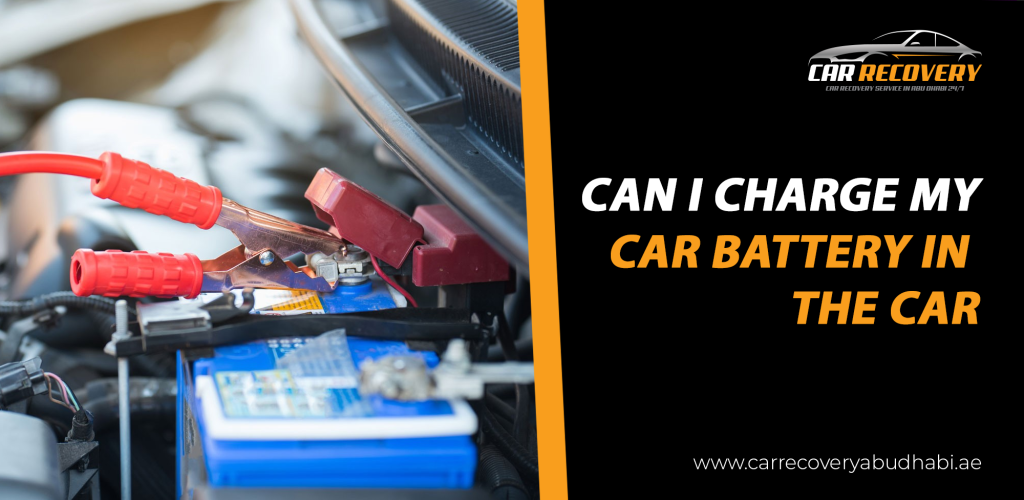
A dead battery can leave your vehicle stranded at any time. When this happens, most car owners wonder whether it is possible to charge the car battery without removing it. Yes, most of the time it is possible to charge the car battery in the car. Modern cars are designed to work with batteries that remain connected to make the process convenient and time-efficient.
But there is a correct method for doing this. Using the correct charger not only helps to keep the battery in good condition, but also the whole electrical system of the car. This Blog will cover several methods for safely charging a car battery with it still connected, the variety of car battery chargers available, charging time and when واستبدال بطارية السيارة is the better option.
Yes, Many Modern Batteries Allow In-Car Charging. Manufacturers design modern electrical systems to work with quality battery chargers. As a result, removing the battery is often unnecessary.
However, some vehicle manuals still recommend disconnection before charging. So, checking your owner’s manual remains a smart first step.
يُعد استخدام الدخان وسيلة قديمة للتواصل في حالات الاستغاثة. كما يمكن أن يكون الدخان في الهواء مرئيًا لمسافات طويلة، خاصة خلال الأيام الهادئة في بيئات الصحراء.
لإنشاء إشارة دخان، قم بإشعال نار صغيرة ومتحكم فيها. يمكن أن تحترق الأعشاب الجافة أو الورق أو أي مواد قابلة للاشتعال بسرعة. بعد إشعال النار، ضع أوراقًا خضراء، أو قطعة قماش مبللة، أو مطاطًا للحصول على دخان كثيف وداكن يسهل رؤيته. فكلما كان الدخان أغمق وأكثر كثافة، زادت احتمالية ملاحظته.
تحكم في النار وابتعد بها عن المناطق القابلة للاشتعال. الهدف هو الحصول على عمود دخان مستدام، وليس إشعال حريق كبير. يمكن أن يكون الدخان مفيدًا بشكل خاص خلال النهار، حيث قد لا تكون النيران مرئية من مسافة بعيدة.
The function of a battery charger is to supply controlled electric current to the battery. The battery stores that power for later use. During this process, the vehicle remains switched off. Many vehicles have an automatic voltage control system that prevents overcharging.
It saves time and avoids lifting a heavy battery from the engine bay. In addition, vehicle settings often remain intact. Radio presets, clock settings, and electronic memories stay protected when charging occurs correctly.
Charging a battery is usually safe when you follow the correct steps. Though a few risks are worth knowing about.
Check the battery before charging. Cracks in the battery casing, acid leakage, and battery swelling are clear signs that your car battery needs attention. Don’t charge the battery if it shows any acid leakage from inside. Another point you should consider relates to any signs of battery swelling.
Smart chargers are the best choice for most drivers because they continuously monitor battery condition to adjust the charging speed. Their built-in microprocessors also prevent overcharging, making them perfect for hands-off, everyday maintenance.
Trickle chargers deliver a slow current in a limited amount of amps. They work best for maintaining batteries on vehicles that are stored for long periods of time. Unlike today’s smart chargers, older trickle charger designs do not feature an automatic cut-off, so a battery may be overcharged if connected to them for too long.
A battery maintainer maintains the charge level in your battery even when your vehicle is not in use for an extended period of time. It does not recharge a fully drained battery. Instead, it supplies a small amount of power to maintain a healthy charge level.
This device works well for cars that stay parked for weeks or months. It helps prevent battery discharge and can extend battery life during storage.
A quick charger delivers power rapidly. It is helpful when immediate vehicle use becomes necessary. But fast charging generates more heat. Thus, it results in premature wear on the battery.
Find a charger that suits your battery. Wear eye protection and gloves to avoid potential risks. The right tools can help avoid any potential risks.
Examine the battery housing carefully. Check for any breaks/bulges or leakage of fluids. After that, check the terminals. Clean if there is any sign of corrosion.
Many chargers offer multiple settings. Select a mode according to the type of your battery. For instance, AGM batteries need specific settings not available in conventional lead-acid batteries.
First, attach the red (positive) clamp to the battery’s positive (red) terminal. Connect the negative (black) clamp into the negative terminal or a recommended ground based on the instructions from the charger manufacturer. Make sure all connections are tight before plugging in the charger.
Check the charger’s readings regularly. Most chargers provide clear indicators showing the battery’s charging status. If you notice excessive heat, a burning smell, or any unusual odor, stop charging right away.
First, turn off the charger and then take off its clamps. Then disconnect them in the recommended order. This simple step minimizes spark risk.
Modern smart chargers work safely with installed batteries. Therefore, routine charging rarely requires battery removal. Many manufacturers support this approach.
Old chargers sometimes produce voltage spikes. In those cases, disconnection may provide extra protection. Car repair jobs that include electrical parts may also involve battery disconnect.
Maintaining the connection of the battery saves you time and keeps the settings in place. Disconnecting the battery gives total isolation from the electrical system. It all depends on the particular charger and car used.
2-amp charger: It can take between 24 and 48 hours to charge.
4-amp charger: It may require 12 to 24 hours.
10-amp charger: It can take about 4 to 12 hours to charge.
Most smart chargers indicate completion automatically. Voltage readings also help confirm a full charge. A normal fully charged battery usually has a voltage of 12.6 volts at rest.
Slow engine cranking often signals battery weakness. Dim headlights may indicate the same problem. Frequent jump starts a battery provides another warning sign.
A voltage test offers basic insight into battery condition. A load test provides deeper analysis. Professional testing delivers the most accurate results.
Moreover, if testing confirms that the battery can no longer hold a charge, a car battery replacement is often the most reliable solution.
In most cases, yes, it is possible to charge a car battery while the battery remains in the vehicle. However, it is important to select the proper equipment and proceed properly. Check the battery for damage, leaks or swelling before charging. Make sure you use the appropriate charger for your battery type. If your battery continues to lose charge while connected to a charger, it may indicate a battery fault, charging system problem, poor connection, or a defective charger. Professional testing can help identify the exact cause and determine whether a خدمة استبدال بطارية السيارة is required.
At استعادة السيارات في أبوظبي, we provide quick vehicle recovery across Abu Dhabi and handle non-running cars with ease. From start-jump services to car battery replacement, our experts are ready to assist you with any roadside emergency.
We will check your vehicle and give quick assistance on the spot. This saves your time and reduces stress during breakdowns.
WhatsApp us