
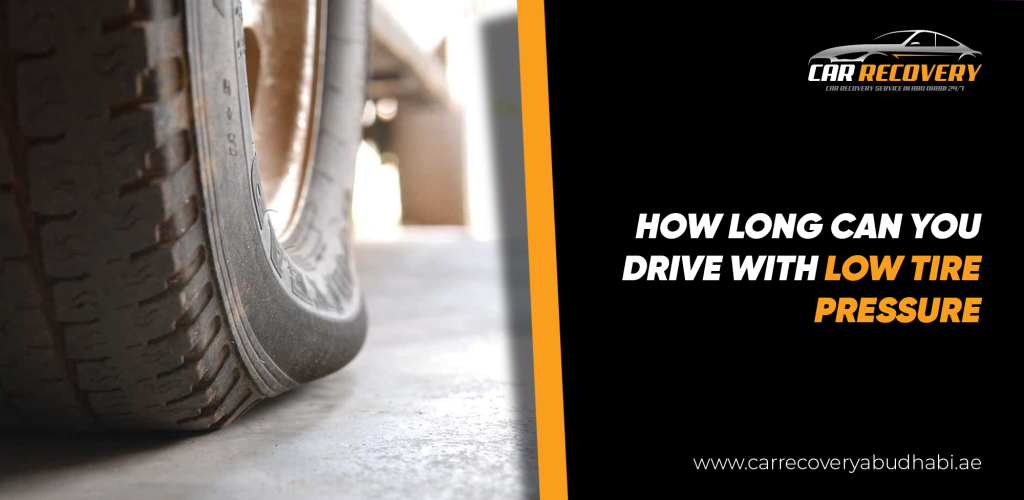
Maintaining the correct tyre pressure is crucial to ensure your car is safe on the road. However, many people do not even realise the significance of it until the car’s tyre pressure indicator light starts blinking.
Low tyre pressure is one of the most common, and you can say, most ignored vehicle issues. Most drivers keep on driving because they believe that it is not a big issue, as long as the car seems to be running well. However, the situation of driving with underinflated tyres may soon become a safety issue and even result in irreversible damage to the tyres. Tyre replacement may become necessary if the damage is ignored for too long.
This blog will discuss how long you can actually drive with low tyre pressure. The honest answer is: not for long and ideally, not at all.
The only thing that links your car to the roads is your tyres, and therefore, their pressure actually matters more than most drivers want to believe. Your car is stable, smooth and easy to control when it is at the right pressure. However, when the tyres have low air pressure, they begin to flex and overheat excessively. This not only increases the chance of damage but also causes your engine to work harder, consuming more fuel . You can even feel that the steering is heavier or slower in responding. That might be minor in normal day-to-day driving, but during an emergency, that can be a major difference.
| Pressure Drop | Condition | Safe to Drive | Action Required |
|---|---|---|---|
| 1–5 PSI below recommended | Mildly low | Briefly | Inflate at the next available station |
| 6–10 PSI below recommended | Noticeably low | With caution | Inflate within a few kilometres |
| 11–20 PSI below recommended | Significantly low | Not recommended | Stop and inflate immediately |
| Below 20 PSI / Visibly flat | Dangerously low / Flat | No | Stop the vehicle — call for assistance |
In case of low tyre pressure, the tyres lose their shape and start deforming in an uneven way. This uneven deformation reduces the tyre’s uniform contact with the road, which has a direct impact on grip and stability. Consequently, there is a diminished braking performance. The car takes more time to decelerate to a full stop, and the stopping distances are very high. This delay in sudden braking may increase the chances of road accidents, particularly when the traffic is heavy or under emergency circumstances.
The suspension system is also stressed by low tyre pressure. The additional flexion and motion place a strain on the wheel assembly and associated parts, which causes wear prematurely. In addition to that, there is an increased fuel consumption. Tyres that are underinflated have more rolling resistance, and the engine must work more to use more fuel, and even a short journey is less efficient and more expensive.
There are a number of clear signs that show a pressure drop. It’s better for safety and tyre life if you notice them early.
Low tyre pressure usually has an initial impact on handling. It may feel more difficult to steer than usual. Some turns feel slow or not as accurate as they should be. Also, the car may drift even when it’s going straight.
You can really feel the difference when the tyre pressure is low. The car just doesn’t ride the same. It may feel bumpier, less smooth, and a bit unstable. Small potholes or speed breakers that normally wouldn’t bother you can suddenly feel much harsher. That’s because underinflated tyres can’t absorb shocks the way they’re designed to. Instead of cushioning the impact, they flex too much and struggle to handle the pressure.
Strange noises happen while moving sometimes. You might hear fast thumping or humming sounds. These sounds mean that the tyres are bending too much and not touching the road evenly.
Braking performance also shows low tyre pressure. The vehicle may take longer to stop. This is especially dangerous when you need to brake quickly.
Low tyre pressure causes uneven wear of the tread. Sometimes the sides of the tyres wear down more. This ultimately shortens the life of the tyres over time and becomes more costly in repairs.
The tyre pressure warning light activates when a tyre is at least 25% under-inflated, signaling significantly reduced safety. While you can drive briefly, you should immediately reduce speed and check the pressure. Do not ignore this alert, as delaying inflation increases risk. Even with this system, manual monthly pressure checks remain essential to handle potential sensor errors.
The weather is changing significantly. Low-pressure tyres are caused by cold air that shrinks inside them. For every degree drop in temperature, there is a small drop in pressure. This effect is more obvious in the winter.
Sharp things make leaks happen slowly. Screws or glass cause holes in the tyre. Often, no one notices that these leaks get worse while they’re moving.
Valve stems keep air inside the tyre. The heat and water weaken the rubber over time. Air can slowly escape through cracks. Changing the valve stem brings back the right pressure. Regular checks help find these problems early.
Regular checking of the tyre pressure ensures safety. Pressure changes automatically as the weather does. Monitoring on a regular basis finds problems early.
Check the tyre pressure before a long trip. Heavy loads put more stress on tyres. Stability is ensured by correct inflation. Check the tyres every time it’s cold. When tyres are warm, values are higher. Accurate measurements require resting conditions. Routine checks extend tyre life and improve safety. This habit saves money in the long-term.
Manufacturers specify pressure based on vehicle design. Look at the instructions or the sticker on the driver’s door. Follow those principles to the letter.
Most standard passenger cars need 32 to 35 PSI. There are, however, differences. Never count on the numbers on the sidewalls of tyres alone. Recommendations may change depending on the load. Carrying heavy cargo requires adjustment. Follow manufacturer guidance carefully. Correct pressure balances comfort and durability. Consistency is more important than perfection.
Use a pressure measure that you can trust. It’s easier to read digital gauges. Measure everything before making a change. Slowly add air and check it often. Other risks come from too much inflation. The balance of the tyre is important here.
If pressure drops quickly, inspect for leaks. Sudden loss indicates damage. Seek professional help immediately. Check pressure for a few days after correction. Stable readings confirm resolution.
Low tyre pressure not only impacts comfort but also safety and efficiency of the tyres. A small drop in tyre pressure are enough to cause notable risks.
While short distances may be possible in mild cases, long distances are never advised. Pressure under the limit is a significant blowout threat.
Ultimately, the length of your drive with low tyre pressure depends on its severity and speed. Still, the quickest action is always the best. Regular checks and awareness ensure a smooth and confident drive and good tyre health. For serious issues, professional tyre replacement services can keep you safe on the road.
Stuck or facing tyre trouble? Our expert team offers fast desert pull-out and tyre replacement service We ensure your car is safely recovered without causing further damage. Available 24/7, we’re just a call away for any emergency in Abu Dhabi.
WhatsApp us