
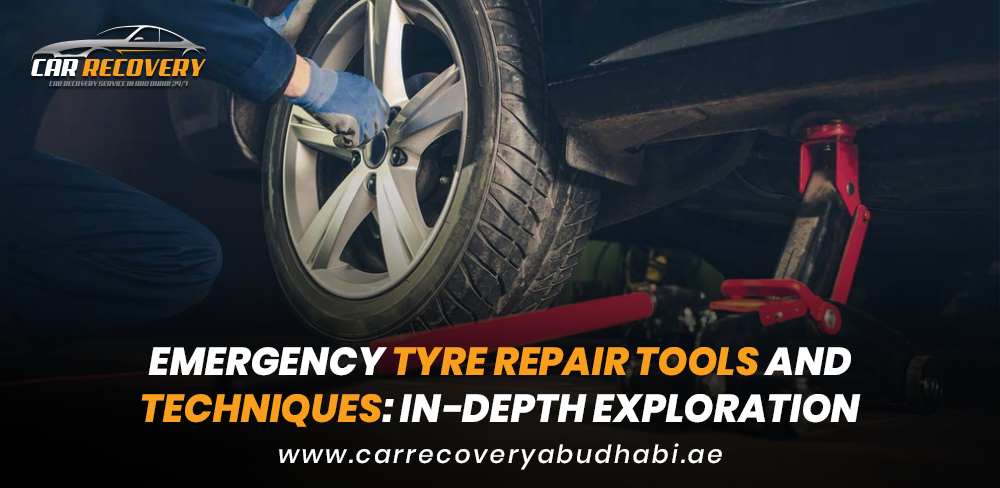
Regarding vehicle maintenance, one area that deserves the utmost attention is tyre care. Tyres are the only point of contact between the vehicle and the road, making their condition vital for safe and efficient driving. Unfortunately, despite taking precautions, tyre punctures and damage can occur unexpectedly. So, dig into essential emergency tyre repair tools and techniques for a safe journey.
Tools for Emergency Tyre Repair
-
Spare Tyre
A fully inflated spare tyre is essential for emergency tyre repair. Moreover, ensure that your spare tyre is in good condition and has the correct pressure before setting out on a journey.
-
Jack and Lug Wrench
A jack is required to elevate the vehicle off the ground, enabling the removal and replacement of the damaged tyre. Therefore, a lug wrench is used to loosen and tighten the nuts that fix the tyre in place.
-
Tyre Sealant and Inflator
Sometimes, a puncture can be temporarily repaired using a tyre sealant and inflator. However, these products help seal the puncture and provide enough air to allow the driver to reach the nearest car recovery service safely.
-
Tyre Pressure Gauge
A tyre pressure gauge is essential for checking the spare tyres and other tyres’ inflation levels. So, maintaining the correct tyre pressure ensures optimal handling, fuel efficiency, and tyre life.
-
Torch and Reflective Triangle
These tools ensure visibility and safety, mainly when repairing a tyre at night or in low-lighting conditions.
Let’s move forward to the next important part of this detailed guide to emergency tyre repair tools and techniques.
Techniques for Emergency Tyre Repair
-
Safety First
If you notice a sudden loss of tyre pressure or a blowout, it is crucial to maintain control of the vehicle. In addition, gradually release the accelerator and maintain a firm grip on the steering wheel. Do not brake suddenly, as it can cause the vehicle to skid.
-
Find a Safe Spot
If possible, avoid stopping on a busy road or in hazardous conditions. Hence, look for a level and stable surface to park your vehicle before attempting any repairs.
-
Activate Hazard Lights
Activate your hazard lights to inform/warn other drivers that your vehicle is experiencing an issue. This is particularly crucial when parked on the side of the road.
-
Use the Handbrake
Engage the handbrake to stop the vehicle from rolling while changing the tyre.
-
Identify the Cause
Before repairing or changing the tyre, it is crucial to determine the cause of the puncture or damage. Also, scrutinize the tyre to identify sharp objects, such as nails, and remove them if possible. Furthermore, understanding the cause will help prevent further damage and allow you to decide on the appropriate repair method. Otherwise, visit the repair or replacement tyre shop Abu Dhabi or call them for help.
-
Utilizing Tyre Sealant and Inflator
You can use tire sealant and an inflator as a temporary fix if you experience a minor puncture. You can typically find these products in aerosol cans and apply them comfortably to the affected area. Follow the orders on the packaging to ensure proper usage. However, it is essential to note that sealants are unsuitable for large punctures or sidewall damage, and professional repair or replacement is still necessary for a long-term solution.
However, if the tyre can’t come in working condition with this kind of temporary solution, it’s better to go for repair and replacement.
-
Begin the Tyre Change
Start by loosening the lug nuts using a lug wrench. Only loosen them initially, without removing them completely.
-
Jack Up the Vehicle
Locate the recommended jacking points specified by the vehicle manufacturer. Therefore, use the jack to carefully lift the vehicle until the damaged tyre is off the ground.
-
Remove the Damaged Tyre
After lifting the vehicle, remove the loosened lug nuts and detach the damaged tyre from the hub. Place it aside, but ensure it is secure to prevent any accidents.
-
Mount the Spare Tyre
Position the spare tyre onto the hub and hand-tighten the lug nuts. Moreover, lower the vehicle back down using the fully tightened lug nuts and jack in a star pattern.
-
Check and Adjust Tyre Pressure
After the tyre change, use a tyre pressure gauge to check the inflation level of the spare tyre. Adjust the pressure if necessary.
-
Tread Depth Inspection
While changing a tyre, take a moment to inspect the tread depth of the spare tyre and other tyres on your vehicle. In brief, adequate tread depth is essential for maintaining traction and grip on the road, especially during wet conditions. If the tread depth is worn beyond the recommended limit, replace the tire as soon as possible.
-
Seek Professional Help
While emergency tyre repair techniques allow you to continue your journey temporarily, it is always advisable to seek professional help as soon as possible. Further, professional tyre repair facilities have the tools, expertise, and experience to properly assess the damage and provide a permanent solution. Many flat tyre services Abu Dhabi are available when stuck on the road. Additionally, they can inspect the other tyres for any potential issues, ensuring the security and reliability of your vehicle in the long run. Additionally, spare tyres are not designed for extended use or high-speed driving, so seek professional assistance to repair or replace the damaged tyre.
Must-Have Emergency Tyre Repair Tools and Techniques Every Driver Needs
Tools for Emergency Tyre Repair
Puncture Repair Kit
Along with a spare tyre, carrying a puncture repair kit is advisable, especially when embarking on long trips or traveling through remote areas. Hence, these kits typically include rubber plugs, a reamer, and a needle insertion tool, allowing you to patch small punctures temporarily.
Tyre Repair Kit Details
Tyre repair kits are a valuable addition to your emergency toolkit. They typically contain a few essential items:
- Tyre Plug or Patch: These seal small punctures in the tyre tread. Plugs are inserted into the hole, while patches are applied inside the tyre.
- Reaming Tool: This tool is used to clean and prepare the puncture site, making it easier for the plug or patch to adhere.
- Rubber Cement: It helps to create a strong bond between the plug/patch and the tyre, ensuring a more reliable seal.
- Tyre Pressure Gauge: Ensure your spare tyre is inflated correctly before installing it.
Spare Wheel Nut/Bolt
It is essential to have a spare wheel nut or bolt in case any get lost or damaged during the tyre change process. However, this ensures you can securely tighten all lug nuts on the spare tyre without any issues.
Gloves and Knee Pad
While changing a tyre, wearing a pair of gloves is better to save your hands from any sharp debris. Additionally, using a knee pad or kneeling on a soft surface can provide comfort and protect your knees from strain.
Conclusion
Drivers can effectively handle unexpected tyre issues by understanding the emergency tyre repair tools and techniques if they can’t contact help. An unexpected tyre puncture or blowout can be a challenging experience, but with the right tools and techniques for emergency tyre repair, you can face such situations confidently. Always ensure you have a spare tyre in good condition and the necessary tools, such as a jack and lug wrench.
So, familiarize yourself with the techniques required to change a tyre safely. Also, consider the safety precautions and step-by-step instructions provided in this article. Remember, prioritizing tyre care enables safer driving and gives you peace of mind. So, stay prepared with the latest emergency tyre repair tools and techniques.